Memory Gospel
2026
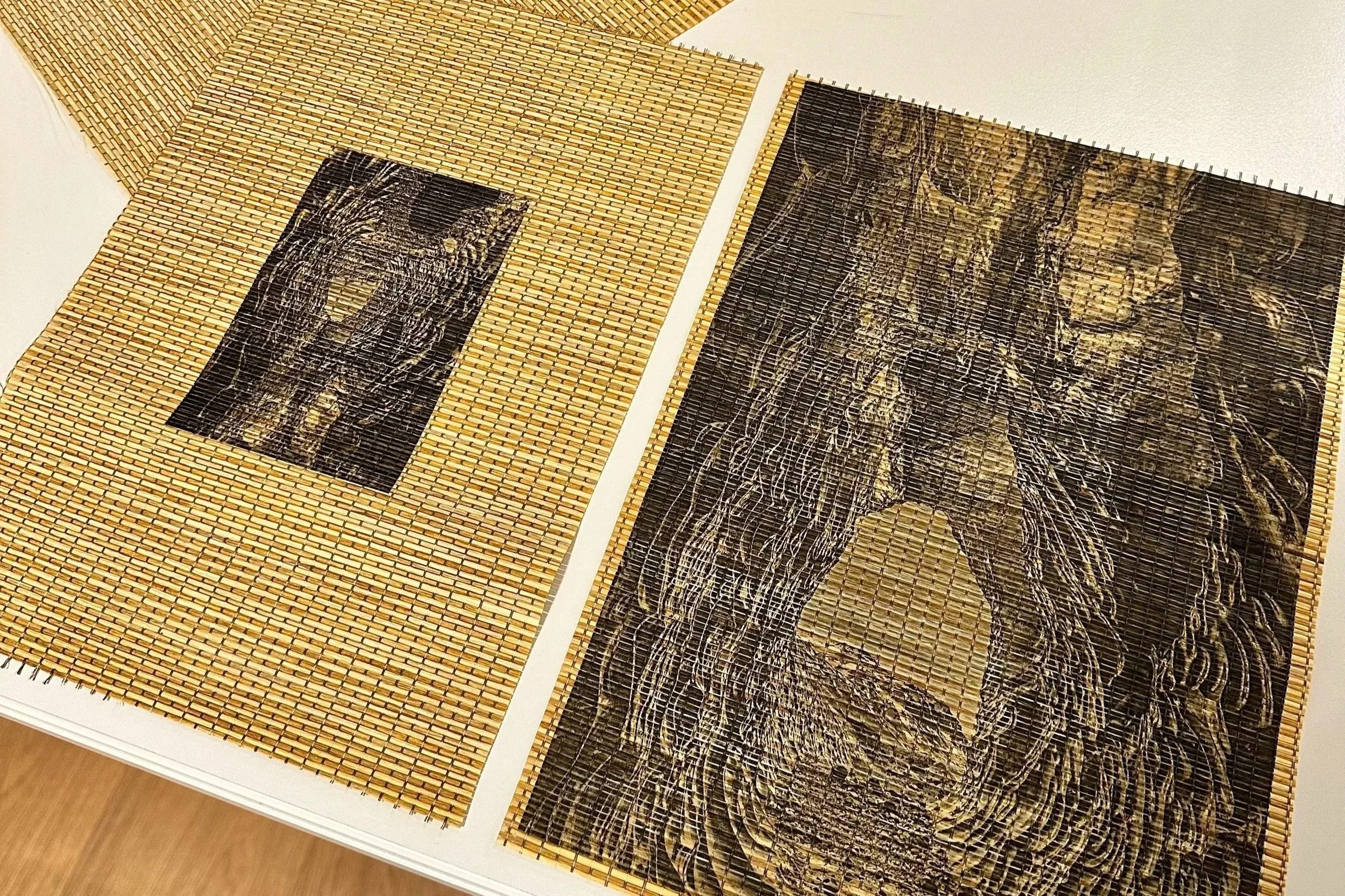
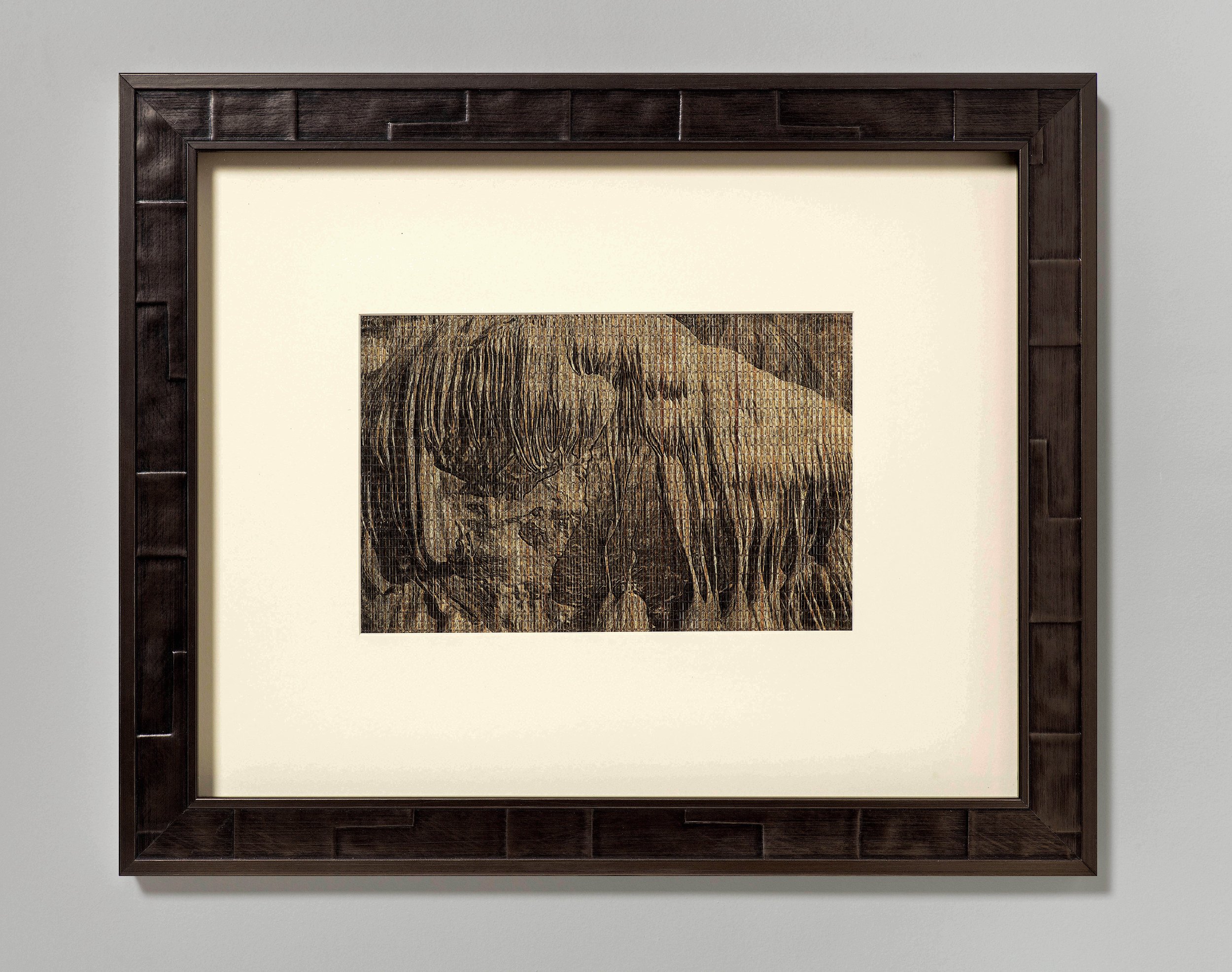
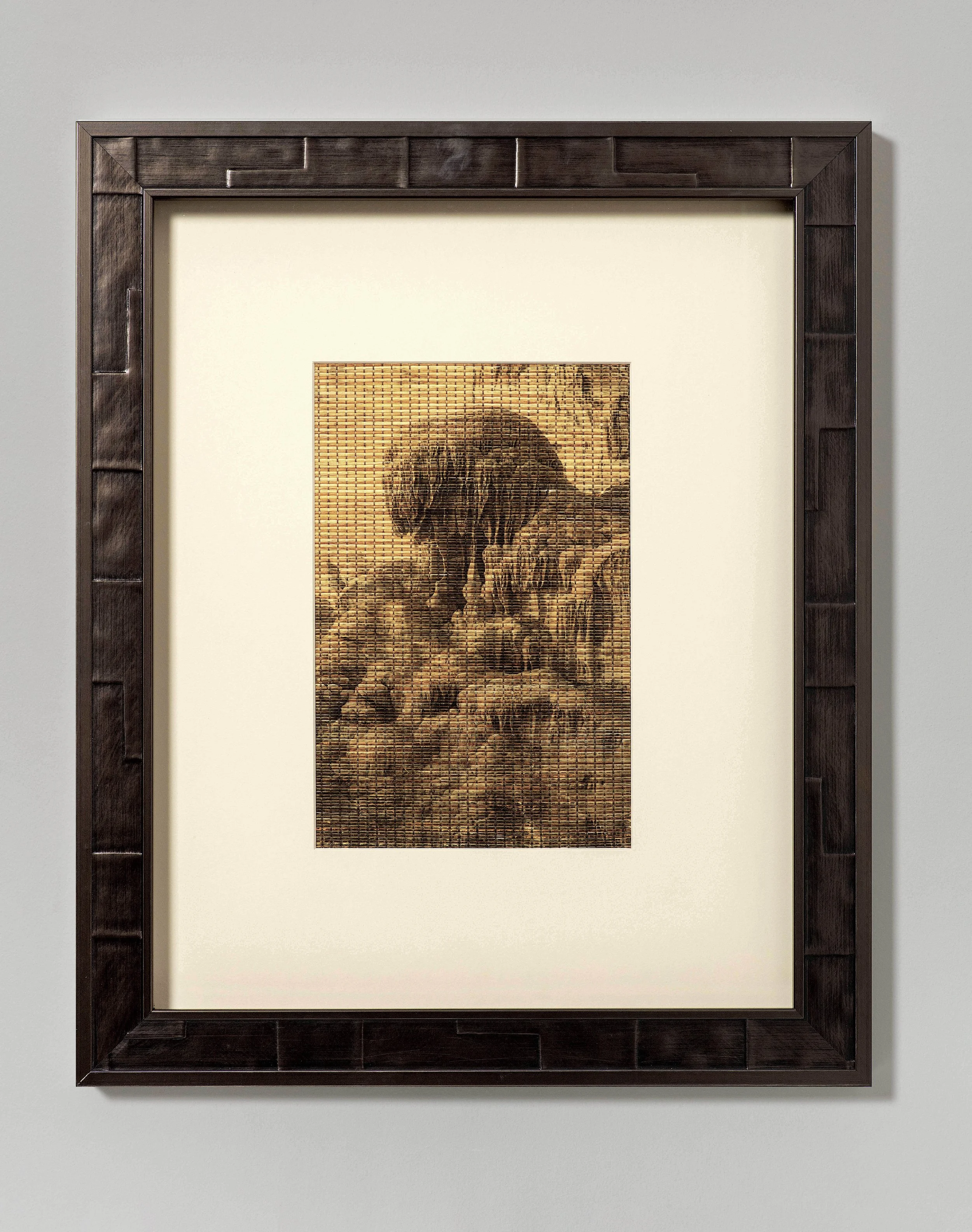
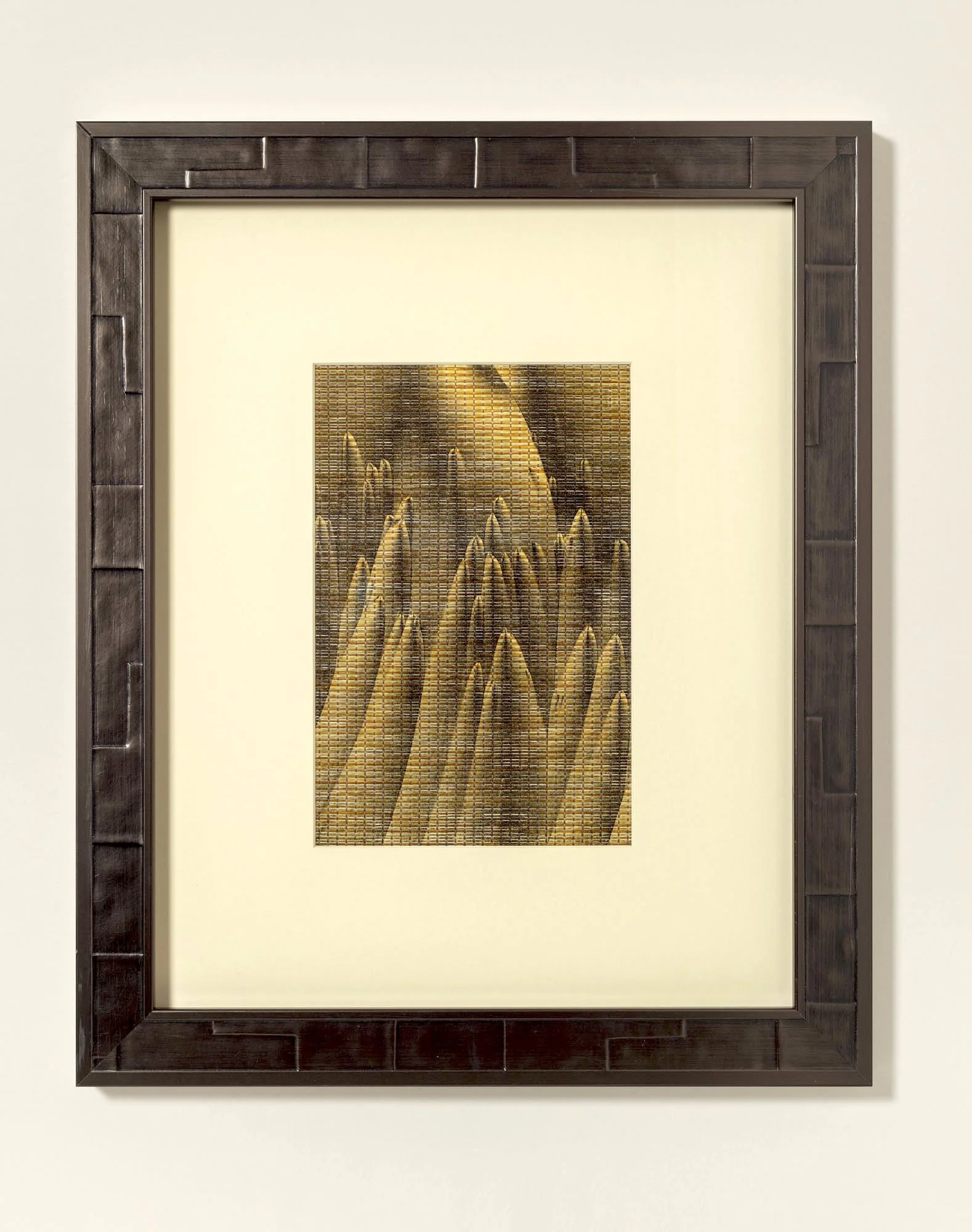
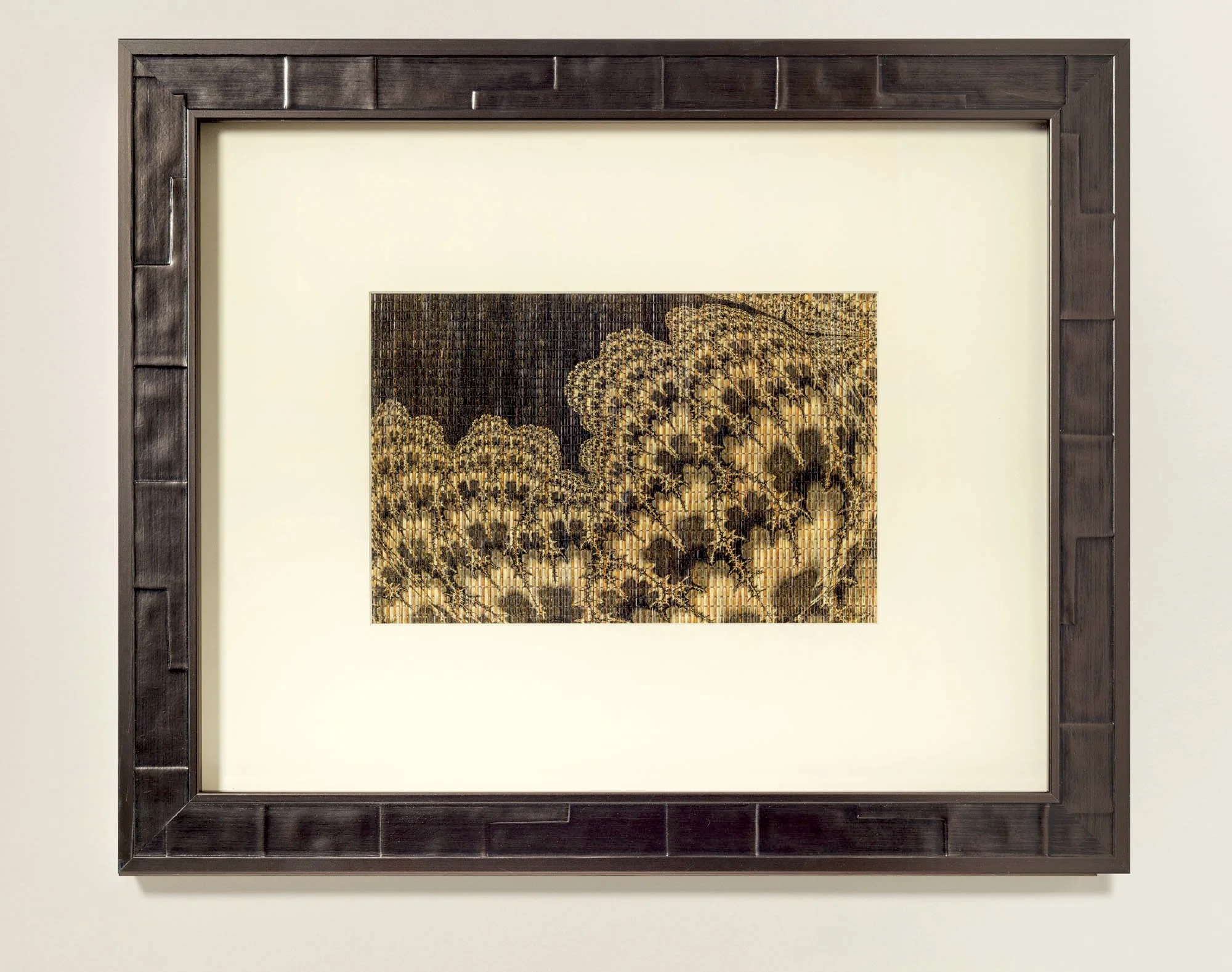
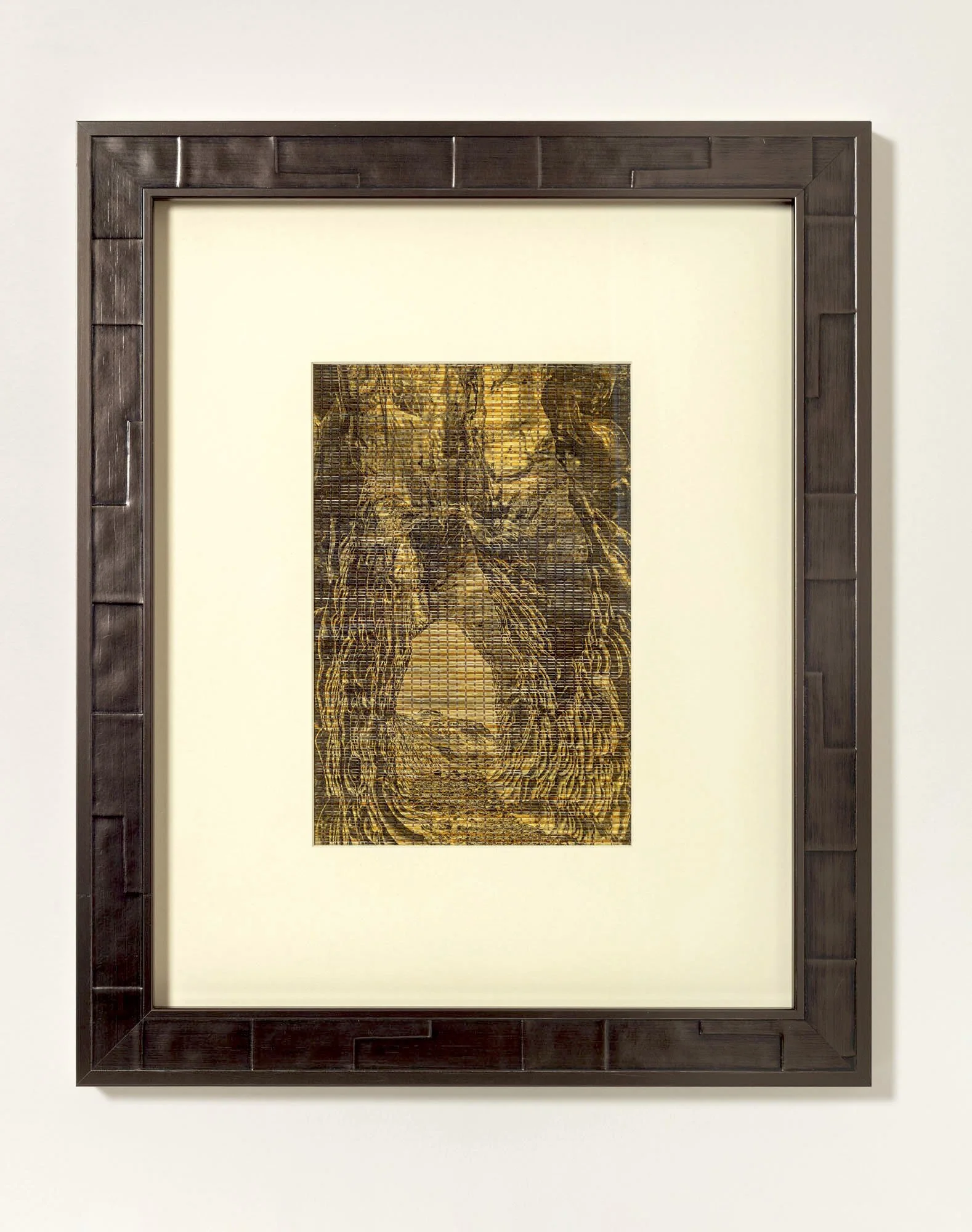
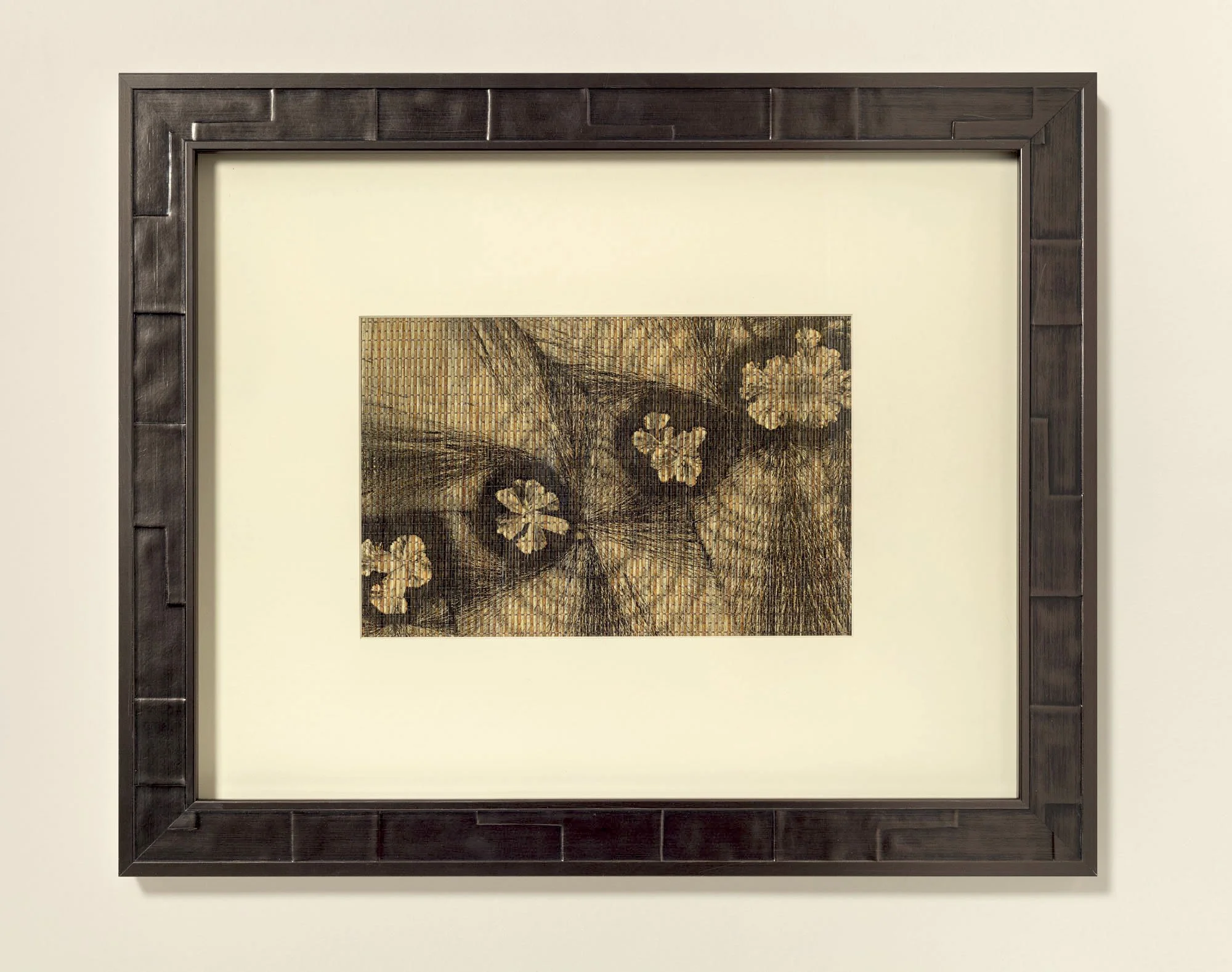
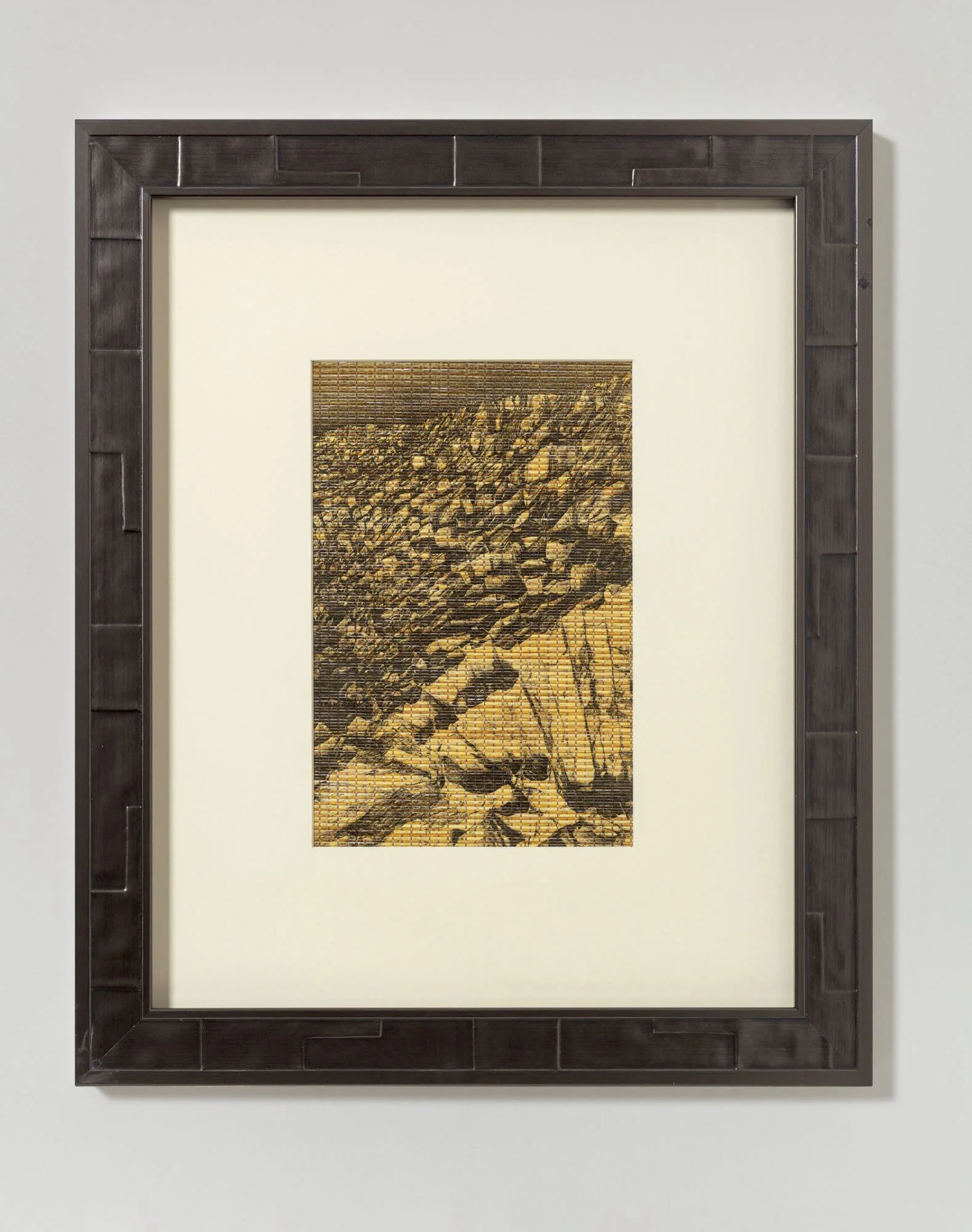
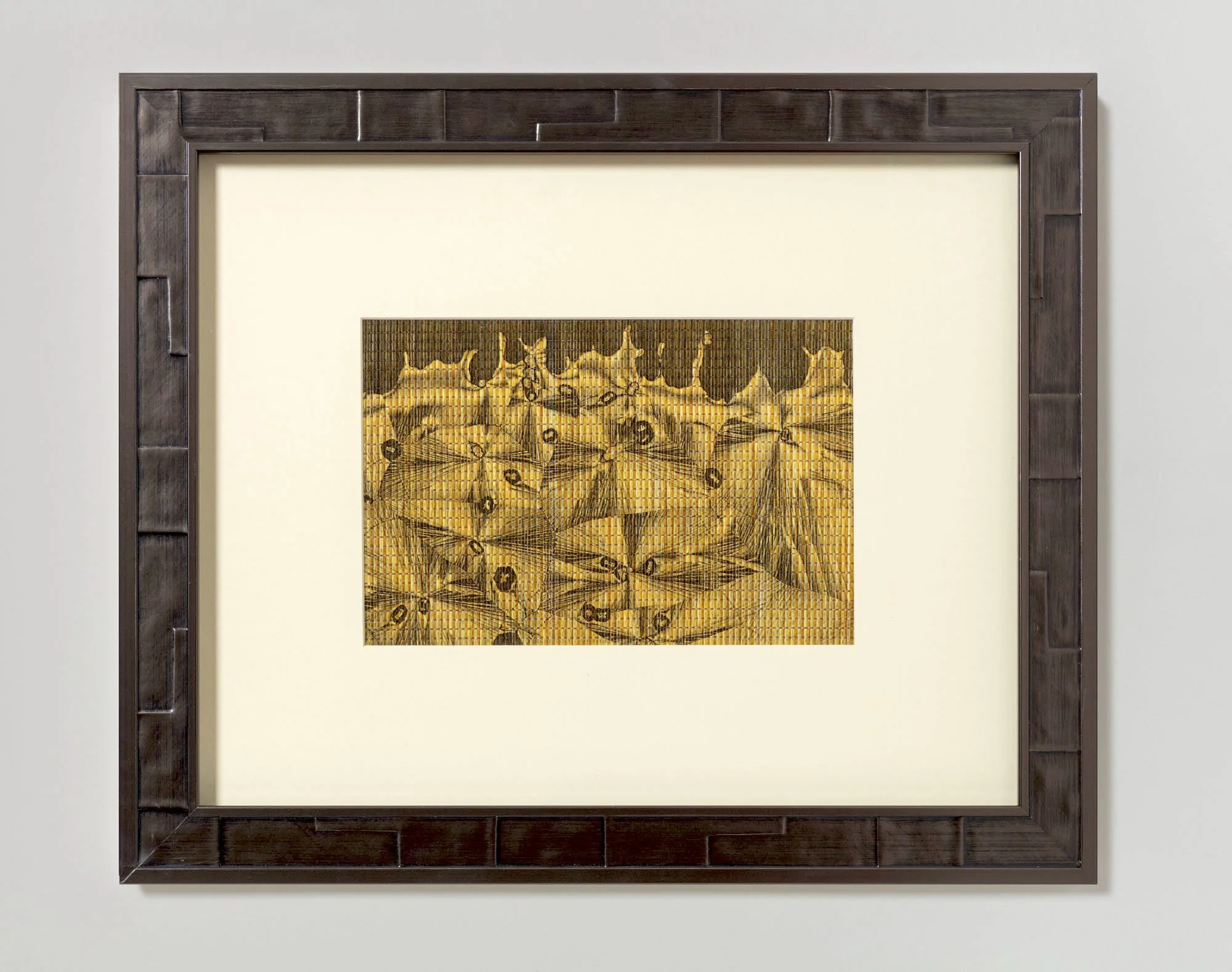
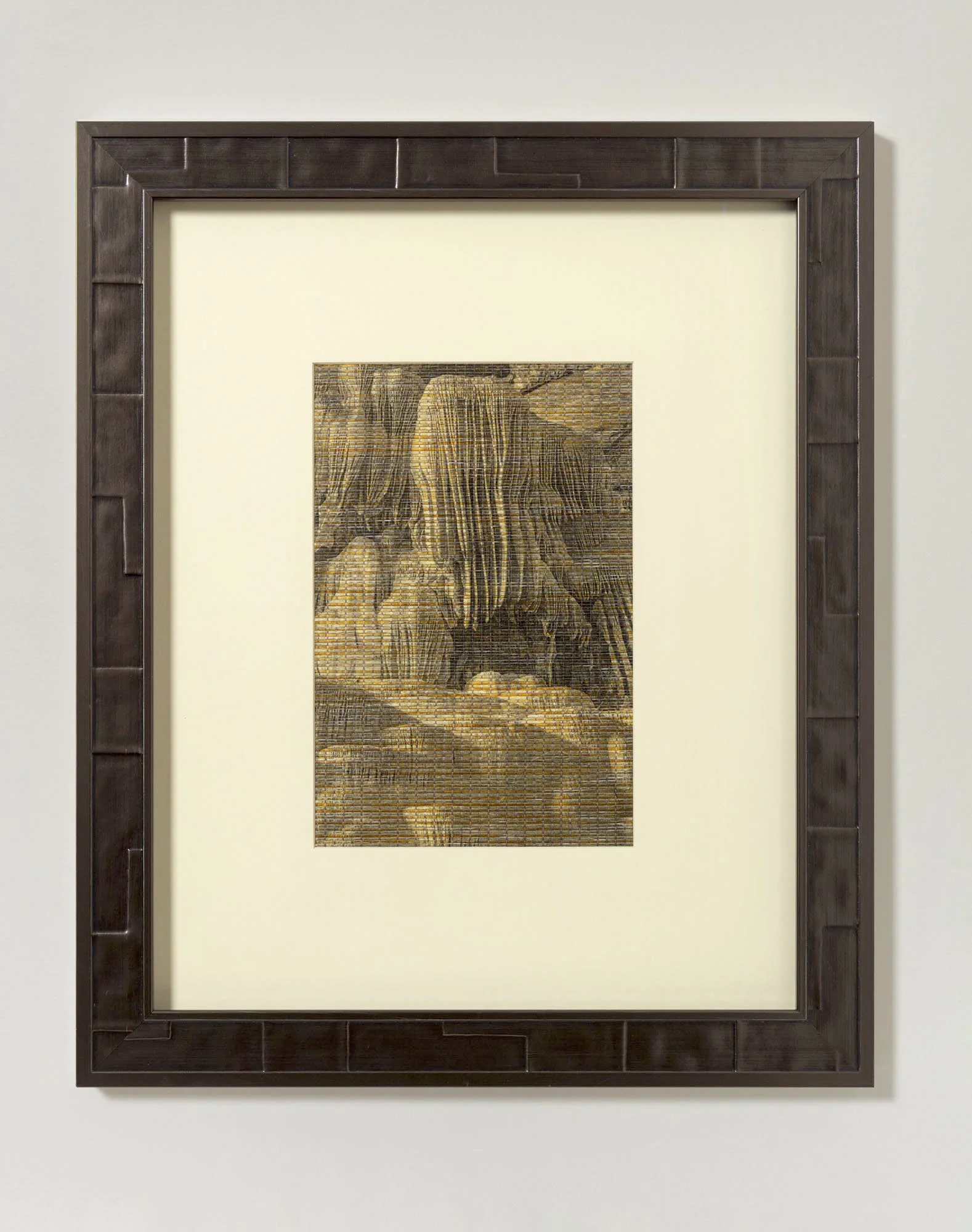
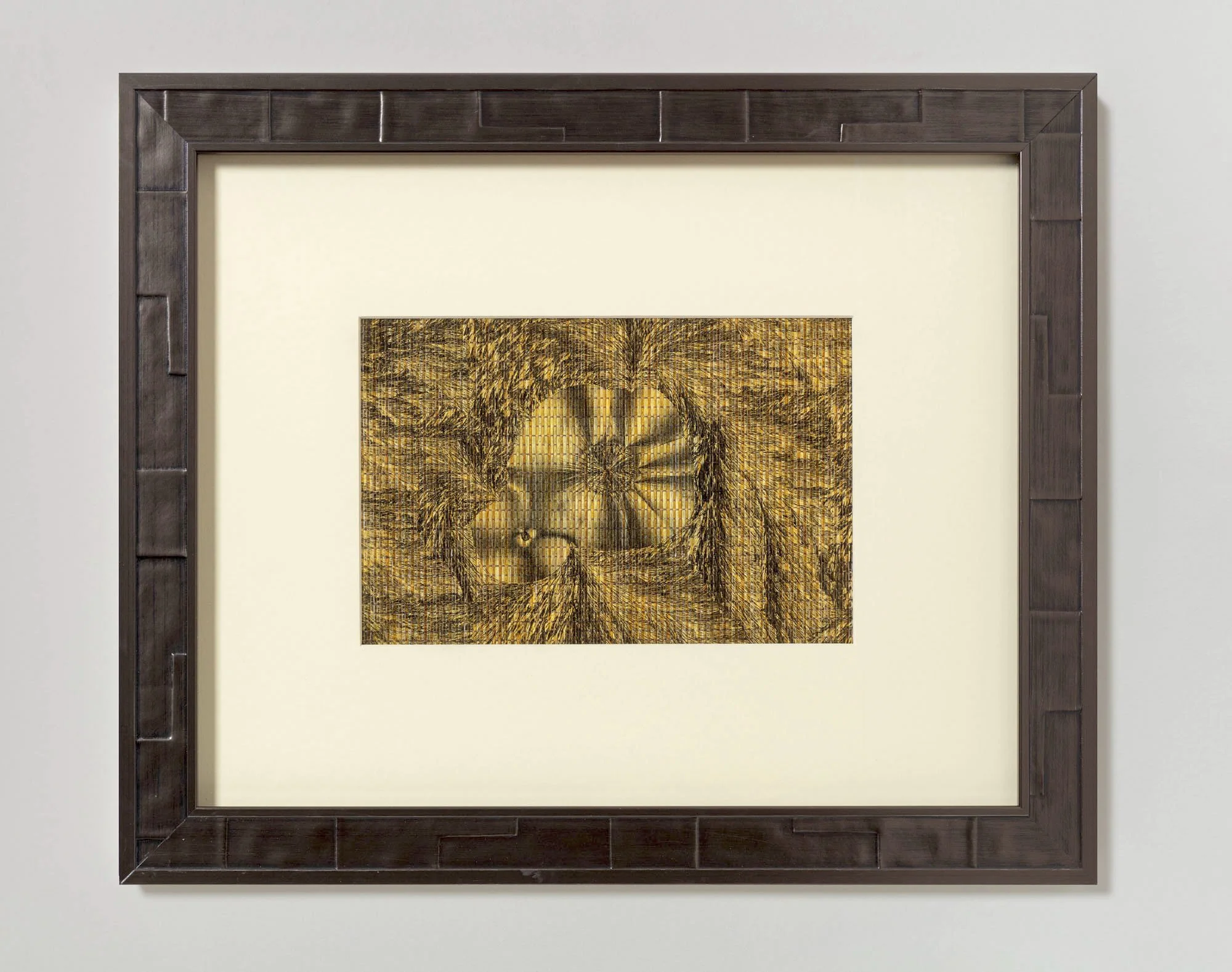
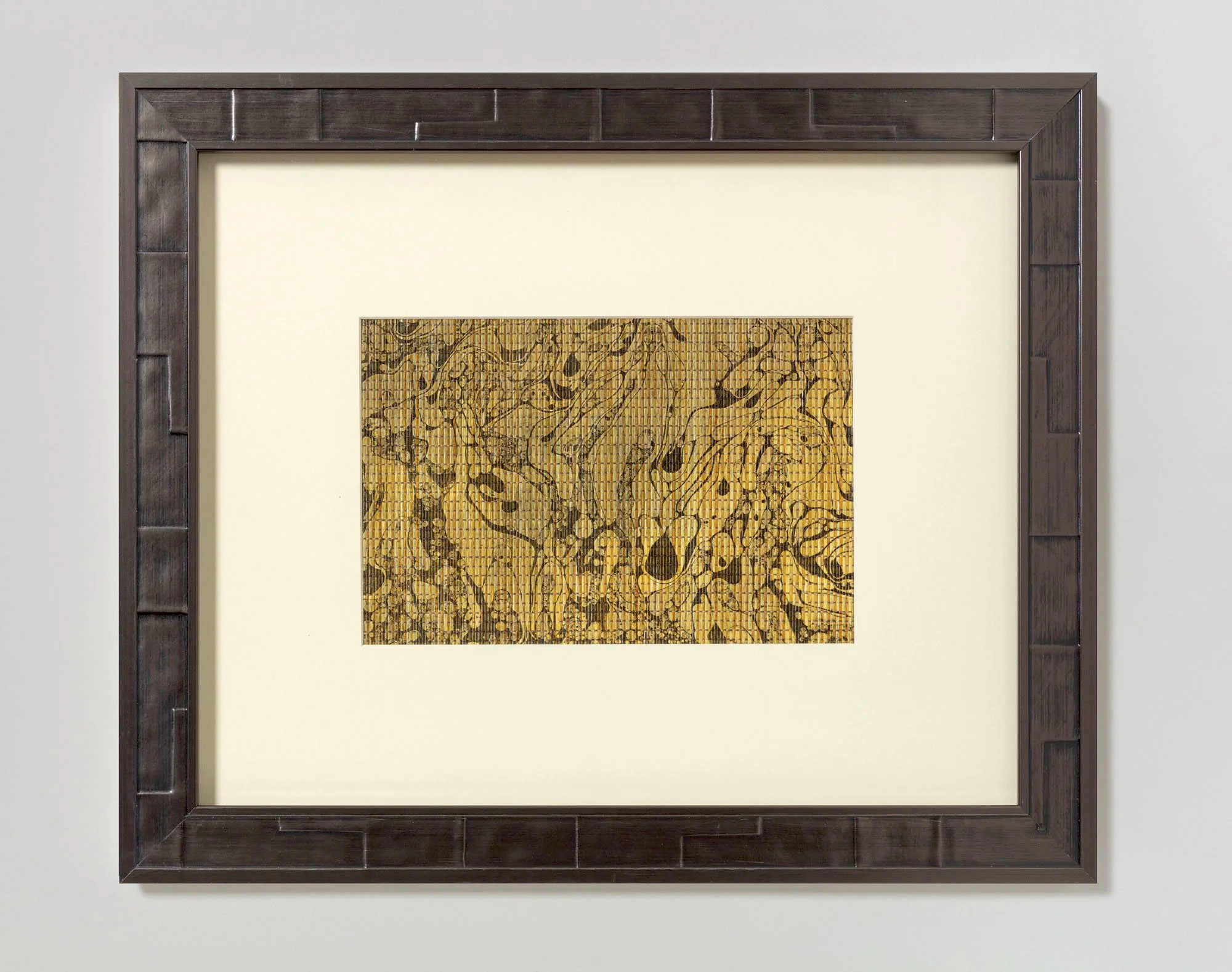
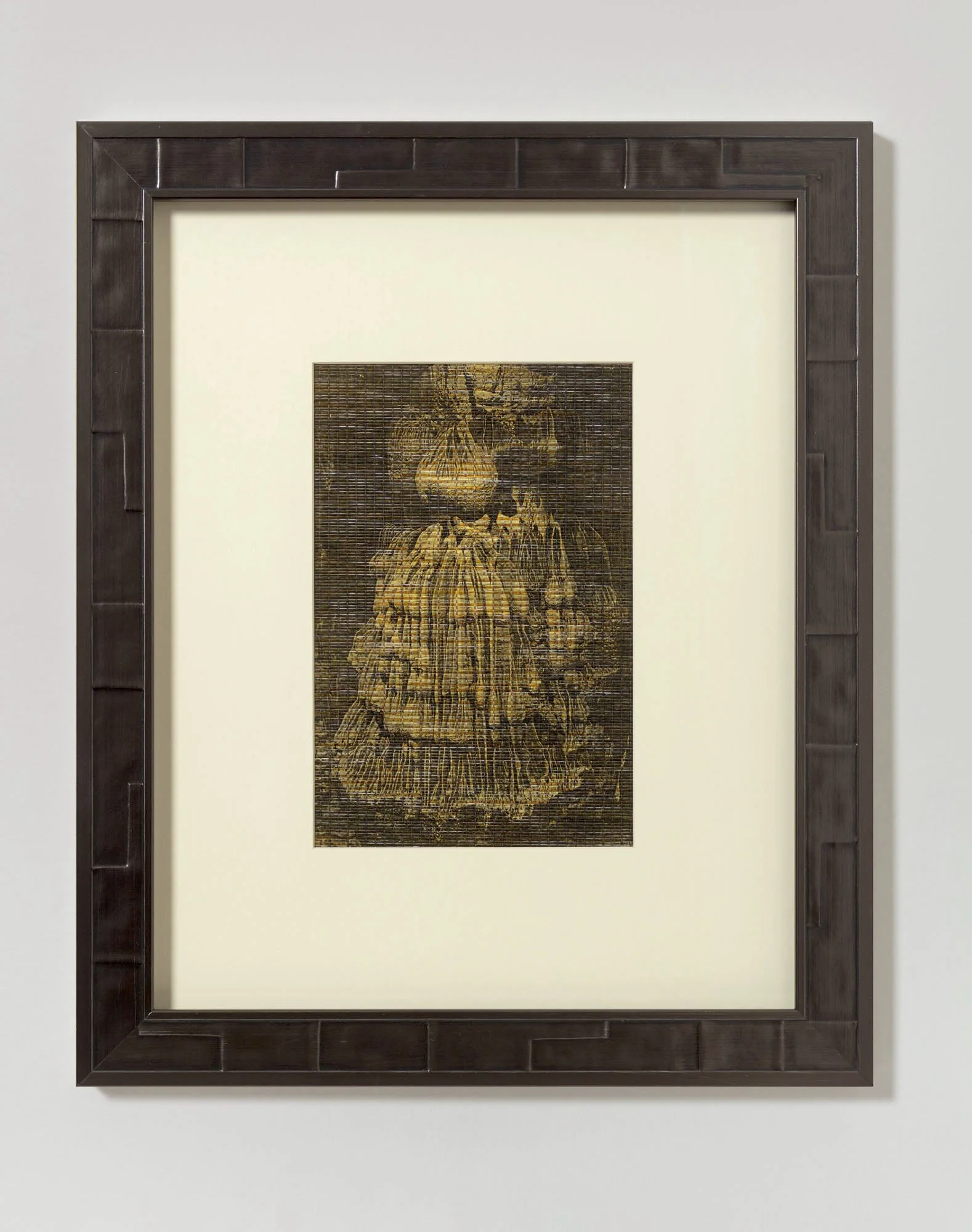
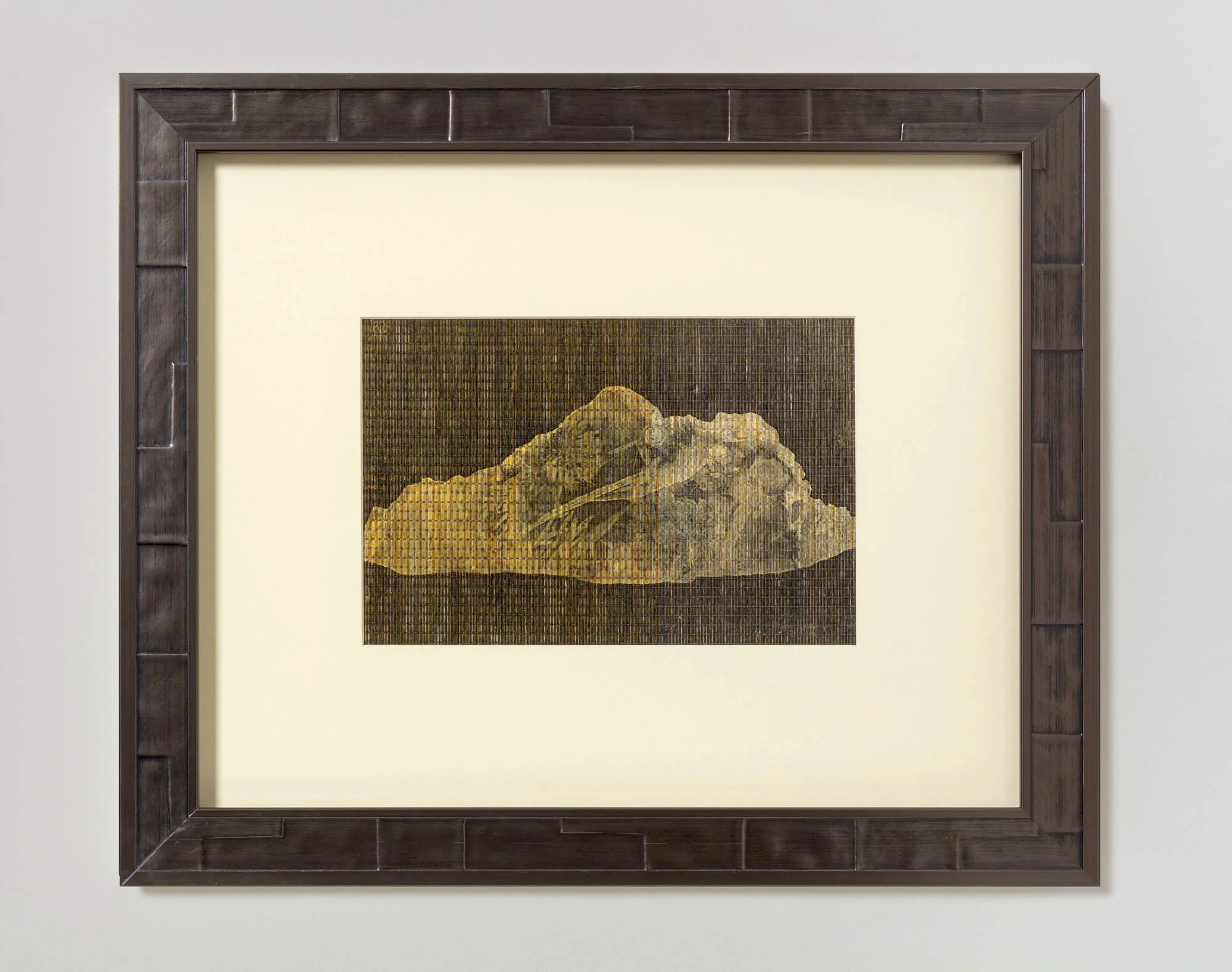
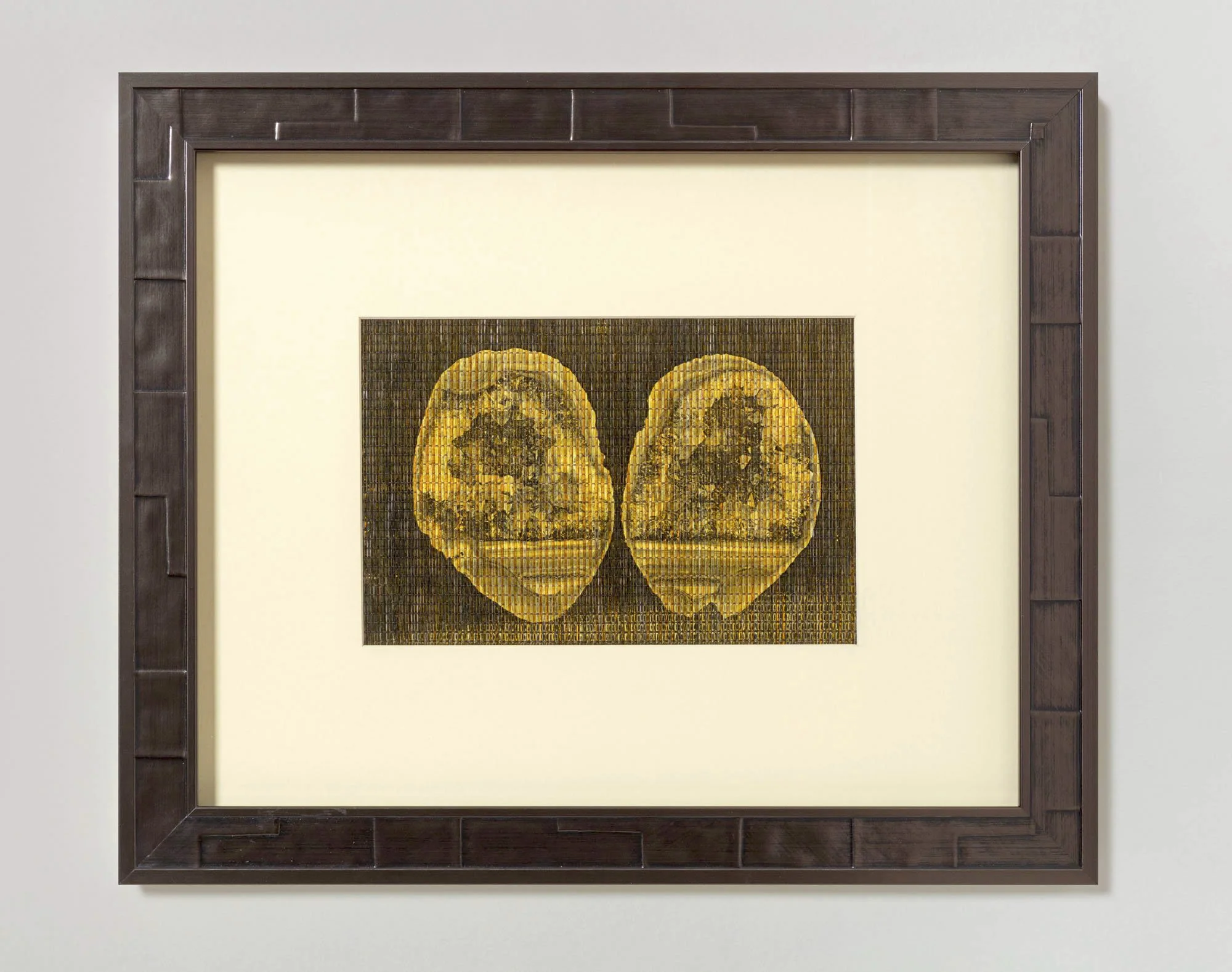
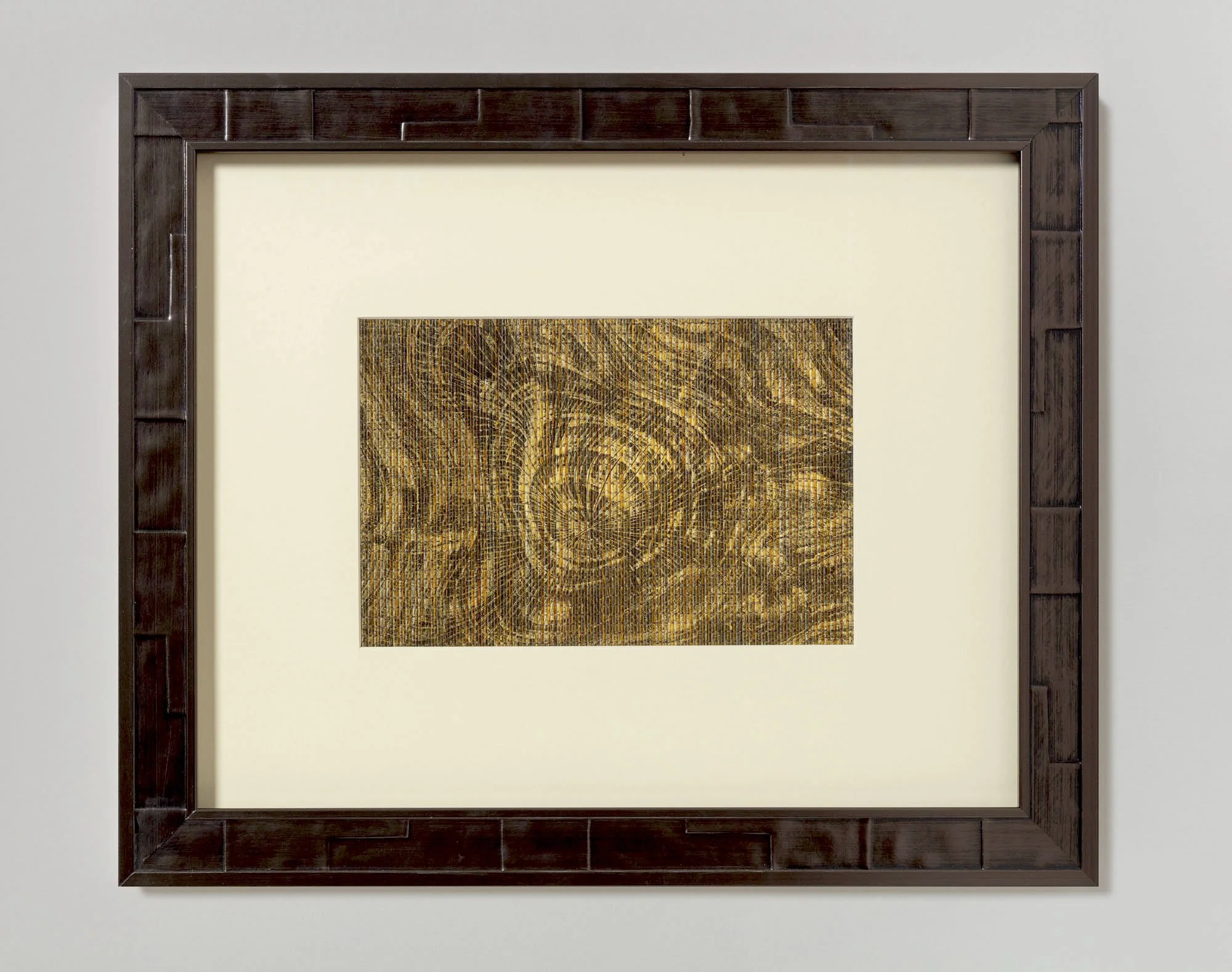
Memory Gospel explores the fragile transmission of memory through time, material, and image-making processes. Rooted conceptually in lithography, the series draws from the medium’s historical ties to Romanticism - an era deeply invested in emotion, subjectivity, nostalgia, and the sublime. Lithography’s dependence on trace, pressure, and reversal becomes a guiding metaphor: images are not simply created but transferred, mirrored, and fixed through contact, much like memories that are shaped by repetition, mediation, and loss.
The works are executed using ink and charcoal on bamboo, a material selected for both its physical properties and symbolic resonance. Bamboo carries associations of resilience, growth, and continuity, while remaining organic and impermanent. Its fibrous surface resists total control, allowing marks to fracture, feather, or fade over time. Ink functions as a vehicle of inscription and record - suggestive of scripture, archive, and testimony - while charcoal introduces fragility, dust, and erasure. Charcoal marks can be smudged, altered, or partially removed, reinforcing the idea of memory as unstable and vulnerable. Together, these materials echo Romanticism’s fascination with nature, ruins, and the emotional residue of history.
A digital template underlies the series, acting as a contemporary counterpart to the lithographic matrix. This digital structure functions as a silent scaffold - precise, repeatable, and archival - against which the handmade marks assert their individuality. The tension between digital clarity and analog instability reflects a modern struggle between technological preservation and human remembrance. In Memory Gospel, the “gospel” is not a singular truth but a layered narrative of impressions, where past and present, craft and code, devotion and doubt coexist within each image.